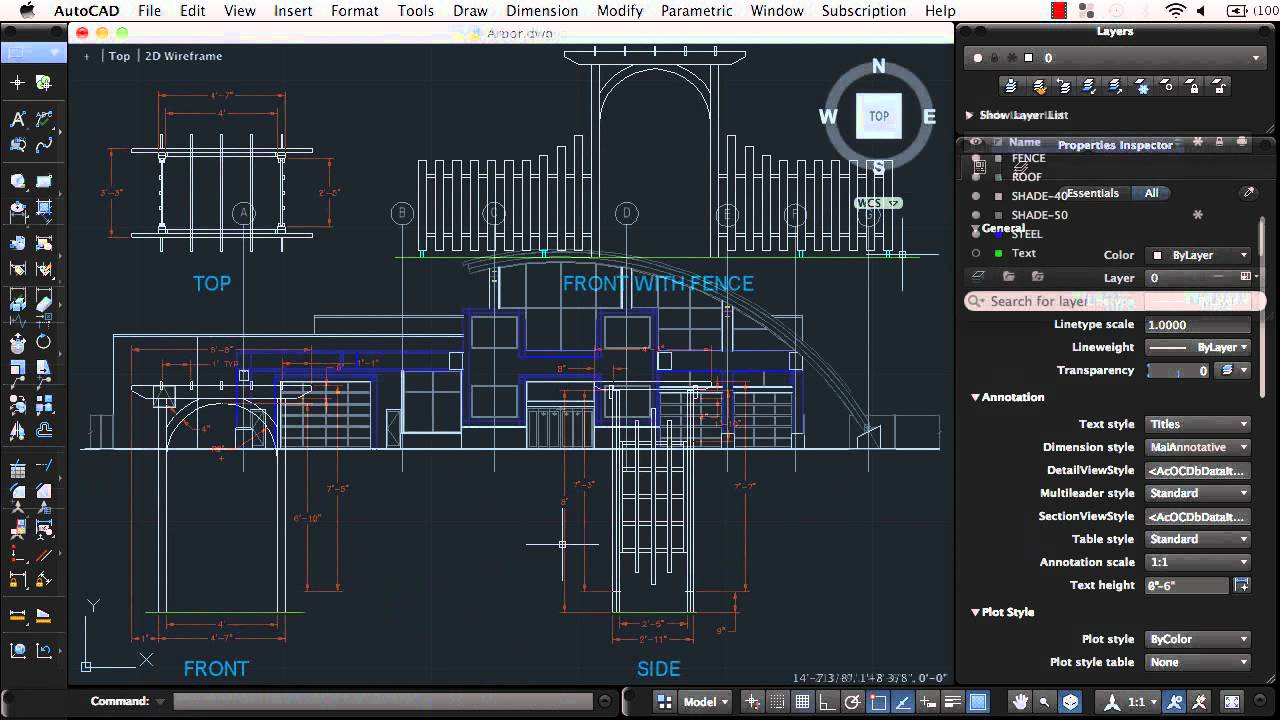
Cutting, Copying, and Pasting Objects
Looks like it is to do with AutoCAD 2018, and its new file format - see here for a forum discussion. I have the same issue in my office - one machine with 2018, AEC messages aplenty on all the other machines.
Cutting Objects
The Cut command removes an object from the drawing, temporarily storing the object in the clipboard.
To cut an object:
Select the object to remove.
Select Edit>Cut.
Alternatively, right-click (Windows) or Ctrl-click (Mac) on the object, and select Cut from the object context menu.
The object is moved from the drawing to the clipboard.
Copying Objects
The Copy command copies an object to the clipboard, where it is temporarily stored. The original object remains on the drawing.
To copy an object:
Select the object to copy.
Select Edit>Copy.
Alternatively, right-click (Windows) or Ctrl-click (Mac) on the object, and select Copy from the object context menu.
The program places a copy of the object in the clipboard.
Pasting Objects
The Paste command places the clipboard object into the same drawing file, into another Vectorworks file, or into another software program’s file (if that program also has copy, cut, and paste commands). As long as the Vectorworks program remains open while the object is in the clipboard, the object retains all its object information for pasting into Vectorworks documents.
Some image quality can be lost when Vectorworks objects are pasted into other programs, or from other programs into a Vectorworks file.
To paste an object:
Open the file and layer where the object is to be added.
Select Edit>Paste.
Alternatively, right-click (Windows) or Ctrl-click (Mac) on the drawing area, and select Paste from the document context menu.
The program pastes the clipboard contents centered on the location of the last mouse click, unless the last click is outside the current view. In that case, the contents are pasted at the center of the drawing. When you paste into a different Vectorworks file, the program automatically centers the clipboard contents in the drawing area.
When a raster image is pasted into a Vectorworks file, it is automatically compressed to PNG format to reduce the Vectorworks file size.
Paste as Bitmap
Like the Paste command, the Paste as Bitmap command places a copy of the clipboard contents in the active Vectorworks drawing file. However, Paste as Bitmap places the entire clipboard contents as a single bitmap object. Because the pasted clipboard content is now one item, individual objects (including symbols and text) can no longer be edited.
This command can be useful if there are multiple objects on the clipboard that you do not want to edit separately, or if the clipboard objects may lose some image quality if they are converted into Vectorworks objects.
To paste as a bitmap:
Open the file and layer where the object is to be added.
Select Edit>Paste as Bitmap.
Paste in Place
The Paste in Place command works exactly like the Paste command, except that the clipboard contents are pasted into the active drawing at the same coordinates (relative to the user origin) from which they were copied. When you paste to a sheet layer, remember that each sheet layer has its own user origin, which may be different from the origin of the layer where the object was copied (see Internal Origin and User Origin for details).
To paste in place:
Open the file and layer where the object is to be added.
Motherboard vrm temps. Select Edit>Paste in Place.
Tipster Sam J. Lucido shares a tip and LISP routine that can assist AutoCAD users when trying to get linework from one file to another based on a set of coordinates.
'A great way to move objects between maps and keep the same location is the PasteOrig command. This command can be found on the Home tab of the ribbon under the Clipboard Panel, as shown here.
'Simply select your objects in one drawing, move to the next drawing, and choose Paste to Original Coordinates. Provided the coordinate systems are the same, your object(s) will be placed in the same location on the new map as they are on the original.
'You can also try the attached LISP routines to make this process a bit quicker. Type C0 to copy your object(s) (using a base point of 0,0,0), then P0 to place that object(s) back in using the same reference point. This works great when pasting into several drawings since you can hit the P0 with your right hand only, knowing those keys are right next to each other. Copy the code below into your startup suite, and use it each time you launch AutoCAD.'
(defun c:c0 () (command 'copybase' '0,0,0')(princ))
(defun c:p0 () (command 'pasteclip' '0,0,0')(princ))
Notes from Cadalyst tip reviewer Brian Benton: I copy and paste all the time — likely on a daily, if not hourly, basis. There are many scenarios in which these tools can be helpful. When a user copies, the items are placed in the Windows Clipboard. Pasting places a copy of those items into the drawing file at the coordinates specified.
If an origin point is not specified, then the lowest and leftmost coordinate of the items selected is used as the origin. There are a few ways to control what that coordinate is; the LISP routine supplied here is an easy one. It uses coordinates 0,0,0 as the origin point, which is the same as using the Paste to Original Coordinates option.
If you want to specify an origin that is not the lower left corner or the original coordinates, press Ctrl+Shift+C when making your selection. This will copy the items to the clipboard and give you the option of selecting a new base point, or point of origin. This is handy if you are on a different coordinate system, or you want to use this tool as a form of the Copy command in AutoCAD.